Extended Range Weapons
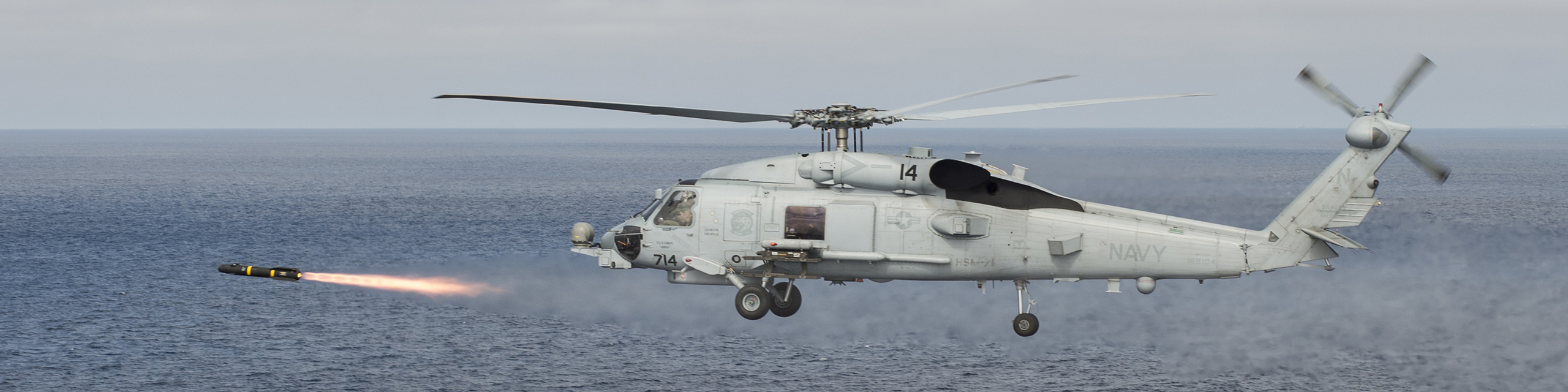
In recent years, the U.S. military has pivoted towards addressing peer and near-peer threats. It is now widely recognized that to respond to these adversaries, technology must be able to match, or ideally exceed, that of these emerging threats.
Adversaries have evolved, and they are much more sophisticated in both tactics and weaponry. To address this new challenge, solutions must be developed that apply to both developmental systems, as well as in-service systems that will benefit from an increase in capability.
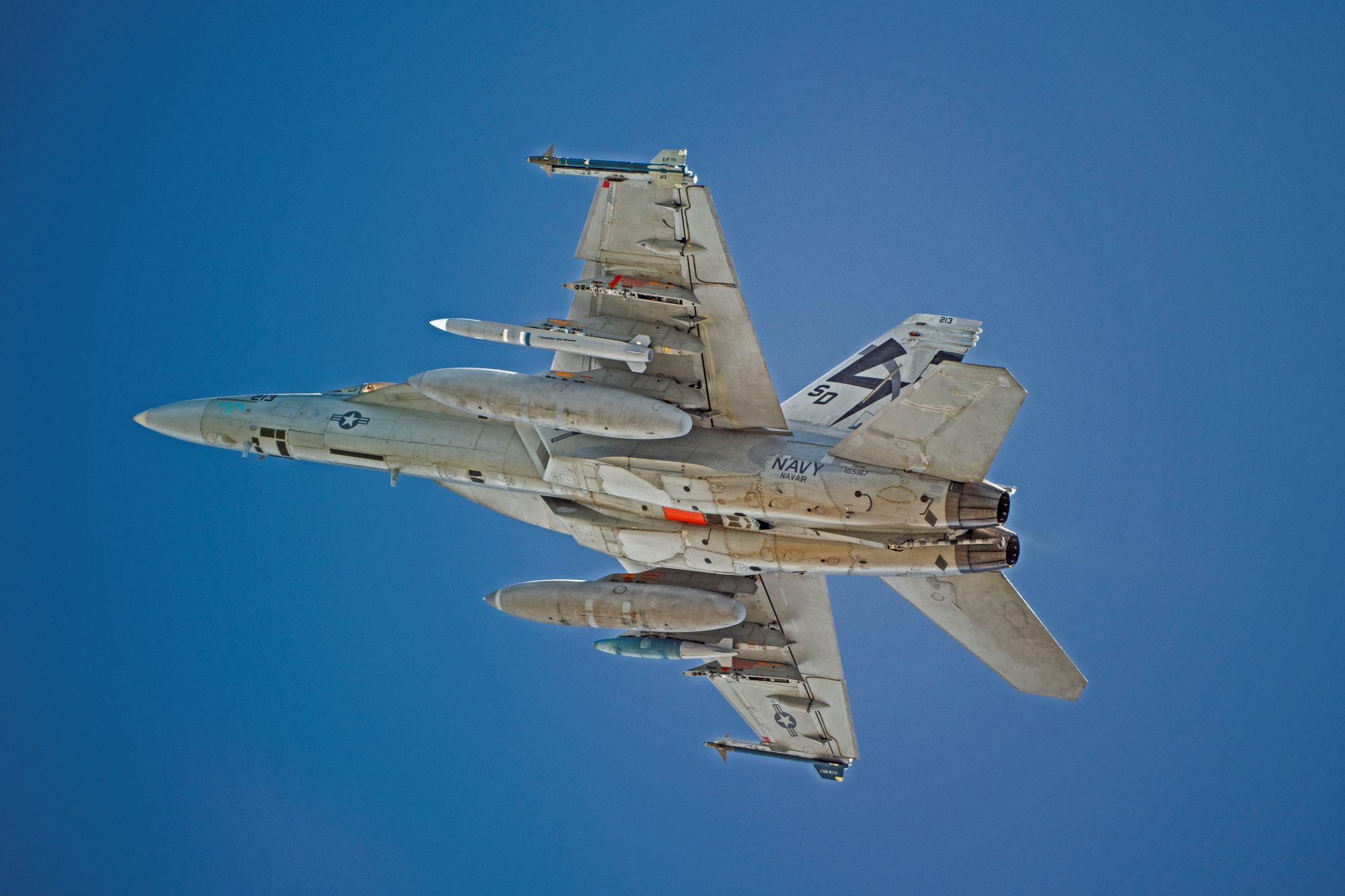
Tactical Missiles
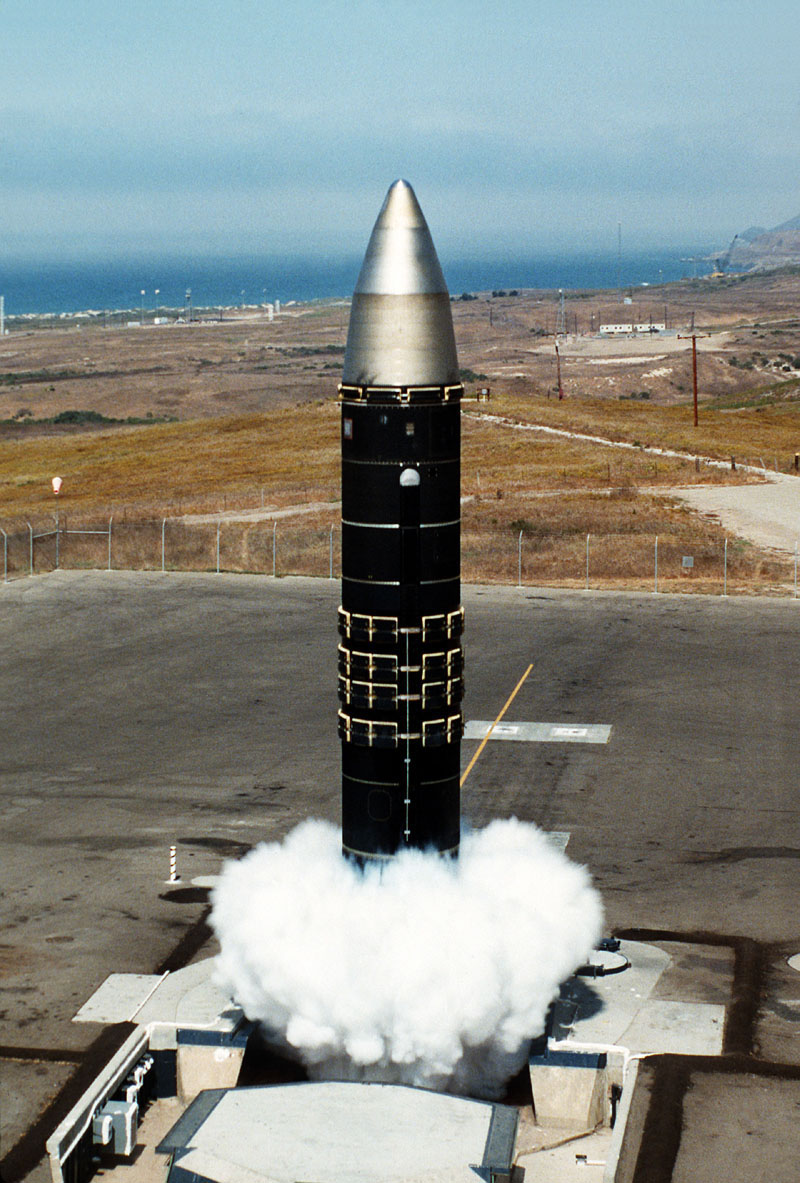
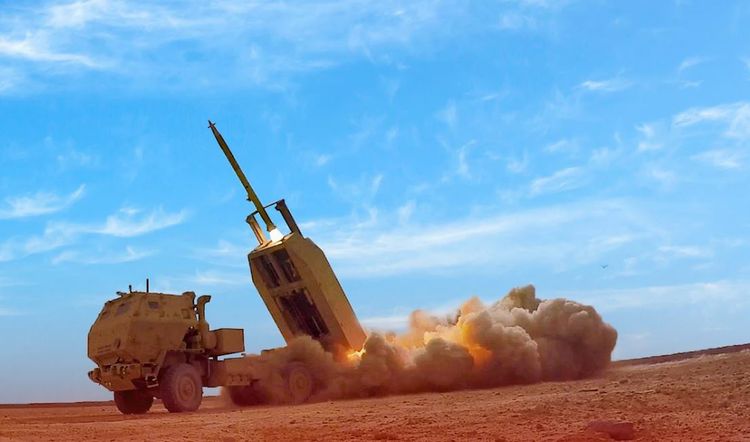
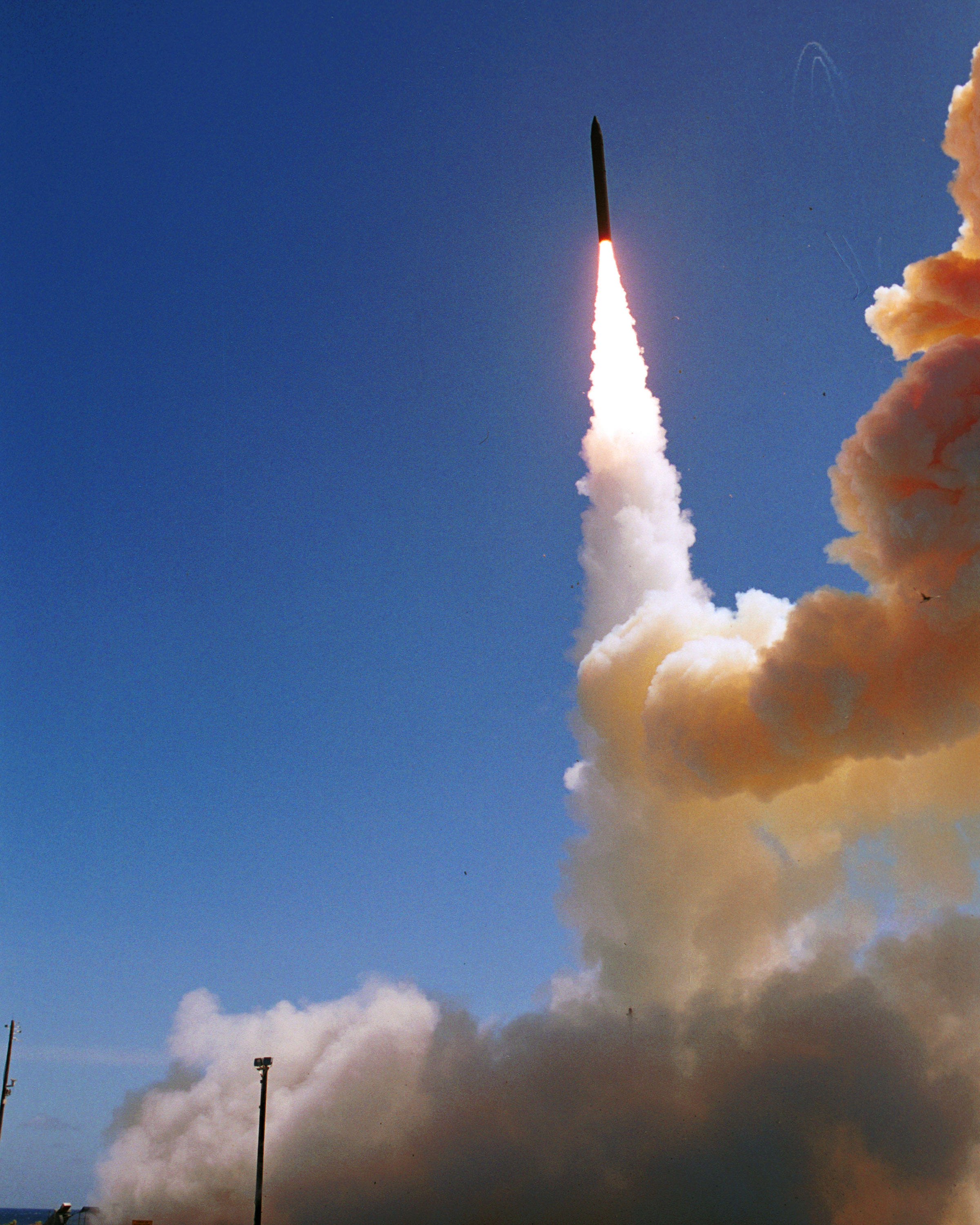
For tactical missiles, range is the primary discriminator that will provide strategic advantage: whichever side can shoot the furthest and operate from the greatest distance from its threat will ultimately prevail. Missile propulsion is therefore the key to enhancing this performance.
"Being able to make our long range, tactical weapons go further than they currently do, and go further than the enemies' weapons do, is really the primary consideration of closing that technology gap," according to Ken Tappe, tactical propulsion expert at Northrop Grumman.
So, what is the silver bullet that will guarantee the furthest tactical missile range?
In short, there isn't one. There are many different considerations for extending the range of tactical missiles, all of which vary depending on the operator, the weapon's intended use, the existing infrastructure, cost, risk, service life, and schedule, to name just a few.